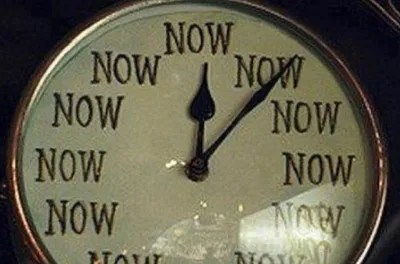
the op-ed I wrote before realizing the topic had already been done ❤
‘Grindset’ and productivity culture have infected the Western psyche under the doctrine that individual success is the only way to derive a sense of self-worth in a capitalistic society. This evidences itself in many ways, from the rise of factory workers in the Industrial Revolution to the modern day ‘Sigma’ persona that looks down on those that are less productive, and therefore worth less, than him. We’re forgetting how to be bored in our fast moving, stimulus-driven society. If we want to appreciate life and get more in tune with ourselves, we should learn how to enjoy being bored again.
This is not to say that we should completely abandon our inclination to do something meaningful with our lives– this is an undeniable facet of human nature and helps us find higher purpose. Constant inactivity can lead to a sense of worthlessness, inadequacy, and depression, which is obviously not conducive to well-being. There’s a difference between rotting and boredom, and I’m advocating for the latter in moderation. Not actively doing something socially accepted as ‘worthwhile’ is seen in a very negative light in a society that values achievement over virtually everything else. As such, we feel rejected and shameful when we’re bored, making it an uncomfortable and seemingly unnecessary feeling to sit in. However, our unwillingness to be stagnant keeps us trapped in a cycle of production that renders us unable to be alone with ourselves and alienated from our free time, thus feeding into the problematic capitalist culture we’re embedded in.
Though the pitfalls of capitalism have been spelled out countless times before and is now a generally accepted idea among left-leaning thinkers, I will reiterate its main critiques: capitalism enables the rich to get richer by taking advantage of the poor and working class, contributes to rising carbon emissions to meet increased consumer demand, and fosters ‘commodity fetishism,’ which is the proposed focus of social relationships shifting from personal to material in nature. These effects are all observed on a societal level, but negative consequences of capitalism also extend to the individual: being in a constant state of either producing or consuming can lead to burnout, chronic stress, and depersonalization that contributes to altered schemas of self and fragmented interpersonal relationships.
As much as I would love to live in a utopian society where we could dismantle the systems we live in and rebuild world structures from the ground up, it seems unlikely at best that this is a reality we’ll ever get to experience. Discounting change on a macroscopic level, what can one do to reckon with the reality we face? Here, it is crucial to recognize the purpose of work: to obtain intrinsic fulfillment and enough resources to live a comfortable life. Working all the time is not a necessary condition of carrying out this purpose; in fact, it is somewhat counterintuitive to it. We cannot reap the full benefits of our work if we do not take the time to appreciate what it does for us. This requires making space for not working in order for us to appreciate the work that we do. If we never slow down, we will always be outrunning the benefits of our work instead of utilizing and appreciating them. We can add to our lives by subtracting. Prioritizing nothing (very different from not prioritizing) can allow us to use the rewards we’ve worked for and make us more connected to and fulfilled by our work. Boredom has an adaptive function as part of a feedback loop signaling that what we’re doing right now is not adequately fulfilling. As such, the feeling of being bored enables us to figure out what we’re passionate about by providing feedback about what we’re doing at the present moment. This enables more intentional, directed action that leads to more intimate connections with our interests and selves.
Though boredom’s merits can be philosophically conceptualized, I think the easiest way to recognize the value of having nothing to do is to think back to childhood: how much free time did you have as a kid and how did you fill it? Imaginative play is crucial to development and enabled by boredom, so a maximally efficient lifestyle that doesn’t leave room for unoccupied time can put constraints on our capacity for creative development and self-discovery.
All of these musings are fine and dandy and may be applicable in a rose-colored world where there are not constant demands to meet deadlines, pay bills, and provide for others. Unfortunately, we do not live in this fantasy land. So, then, how can we invite more boredom into our lives without sacrificing our place in the world?
The answer isn’t clear-cut. Not everyone has the privilege to quit their jobs, retreat to van life, and exist in the wild with no commitments to society. The reality is that our environment is not conducive to the most basic state of being– that is, existing without producing or consuming. We are expected to be part of the productivity machine and our break time is always filled with something. We are encouraged to engage in constant stimulation that makes our break time feel less like break time and more like time to engage in X activity that has been socially deemed ‘relaxing’ (hello, streaming services!). Big surprise, we can’t rely on society to fix this problem. Rather, we need to advocate for our ‘nothing time’ and hold ourselves accountable for accepting our boredom as a means of self-discovery and self-care. Though this systematic approach of self-scheduled boredom may seem forced, there’s merit to the idea that intentional down time could make our boredom all the more meaningful since we are choosing to engage with it. Finding time to be instead of do may be the key to staying afloat in a capitalist framework that touts for individualism but does not allow individuals to fully engage with themselves.
All this is to say that intentional boredom is good in small doses. While never doing anything can be detrimental to our self-worth, it is dangerous to fall prey to thinking that sometimes doing nothing will yield the same result. Engaging in this thought pattern can bundle our value up with our ability to produce and consume, reducing the importance of personal fulfillment in subjective quality of life. Allotting yourself time to be bored can open doors for the creativity and imagination that is essential for the pursuit of meaningful projects and a sense of belonging in the world. So, then, we ought not to be shy about saying ‘I’m not doing anything.’ Owning your boredom may just make you feel like your life is a little more yours.
 FREED VERSE
Leave a comment